While the product may appear on third-party marketplaces or social media ads, it’s highly https://stop-watt.net recommended to avoid unofficial retailers. This flexible model allows users to tailor their purchase based on square footage and the number of circuits they wish to stabilize. Plug in StopWatt now and enjoy lower bills, surge protection, and peace of mind—all in one compact device! In many cases, promotional language is based on theoretical outcomes rather than real-world data. For instance, 9News and Snopes both examined similar devices and found no substantial evidence to support the savings claims made by manufacturers. That said, the term dirty electricity filter continues to trend in consumer circles, especially among those looking for eco-conscious smart home solutions.
Promoters claim the product employs “Electricity Stabilizing Technology” (E.S.T.) to regulate current flow, eliminate electromagnetic interference—commonly called “dirty electricity”—and block power surges. The publisher—or its distribution partners—does not endorse or guarantee the inclusion of any product, service, or brand featured in this article. Reviews, assessments, and product discussions are grounded in publicly accessible data and editorial discretion. Any expressed opinions are general in nature and do not imply a professional relationship between readers and content creators. This material is not designed to offer legal, electrical, environmental, or financial guidance.
Therefore, reducing reactive power may not lead to dramatic savings on your bill unless the household has high levels of inductive load—something uncommon in most homes. Another often overlooked but impactful issue is dirty electricity, which is a form of electrical noise or high-frequency voltage spikes on the wiring inside homes. The device may provide incremental savings, particularly in homes with many electronics in standby. This review summarizes the technology behind Stop Watt, examines evidence of effectiveness, and highlights practical tips for use and evaluation in a typical American home. It does not “stabilize” voltage, reduce waste from other electronics, or provide meaningful surge protection.
The checkout process frequently transitions from a refined brand presentation to a lackluster, detail-scarce experience. After clicking through, many marketing campaigns direct users to a page styled like a news feature or investigative report. This so-called “miracle” device is often just a mass-produced Chinese “electricity-saving box,” priced around $1–$2 wholesale, then repackaged and sold for upwards of $49. The packaging remains identical across models, the green LED strip is standard, and marketing claims appear lifted from identical templates. A frequent tactic involves associating the product with Elon Musk or framing it as linked to a groundbreaking tech innovation. Many StopWatt-style pages emphasize “dirty electricity,” “harmonics,” and “unstable currents” as core problems.
According to its manufacturers, StopWatt targets the inefficiencies in how energy is distributed throughout your home, correcting common imbalances that can silently drive up your electric bill. The product uses what is marketed as Electricity Stabilizing Technology (E.S.T.), which supposedly helps regulate voltage flow, reduce energy waste, and clean up dirty electricity. The demand is not just for energy-saving tools but also for those that seamlessly integrate into modern, tech-savvy homes without clutter or complexity. Today’s consumers aren’t just looking for affordability—they want eco-friendly power management. From flickering lights to overheating devices and increased energy drain, dirty electricity can quietly erode both your equipment and your budget.

**SmartPlug – A Powerful 4-Pack Smart Device for US Plugs (90V–250V, 30KW) – Perfect for Homes & Offices**
Yet, in practice, the product fails to deliver any of these advertised benefits meaningfully. Meanwhile, scammers behind these schemes will likely avoid responding or provide vague excuses instead. This misleads consumers into wasting time and funds on false electrical savings instead of reliable solutions.
Most homeowners overlook poor power quality in their homes, an oversight that can prove expensive. This trend has pushed consumers to seek cost-effective alternatives without sacrificing comfort. We’ll also explore how it tackles the most frequent challenges faced by homeowners when managing their energy consumption.
This article may contain typographical errors, outdated references, or unintentional inaccuracies. For industrial or large commercial setups, professional-grade power factor correction systems are more appropriate. When purchased from the official website, you’re covered by a 60-day money-back guarantee, which provides low-risk trial assurance. In a best-case scenario, it serves as a silent, affordable enhancement to your home’s electrical performance, particularly in aging properties or places where power fluctuations are common. Its low cost and ease of use make it a practical experiment for households that want to test whether they’ll see any benefits from plug-and-play energy-saving technology. We’ve also addressed common misconceptions and controversies to separate hype from reality.
An online post or product listing falsely claims the StopWatt “electricity-saving box” was developed by Elon Musk and Tesla. All listed items were removed upon our request, based on the products we purchased for review. Delivered a collection of hazardous products found online to Parliament, urging MPs to enforce stricter accountability on online marketplaces via the Product Regulation and Metrology Bill.
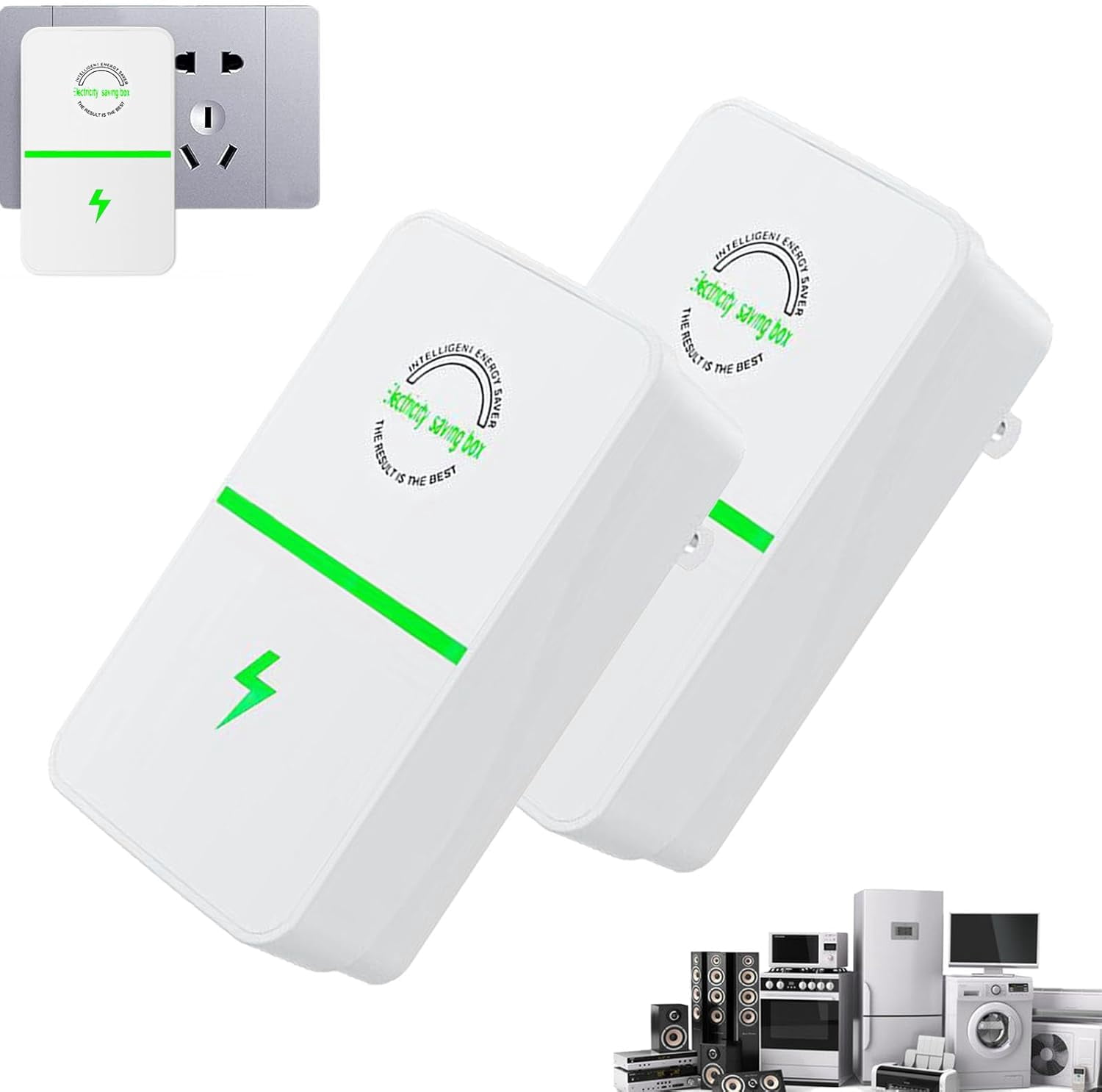
Step 5: The checkout trap and the upsell maze
The concept of “dirty electricity” suggests homes waste significant power due to erratic electrical flow. **Revised version:** *Customer satisfaction data reveals 7 mentions of “practicality,” all positive, with none negative. Users highlight the smart plug’s effortless setup and user-friendly app, praising its versatility for organizing multiple spaces—both home and office.* Buyers frequently note that shipping speeds and packaging contradict the “local” or “fast US delivery” promises made on marketing pages. Some online sales funnels employ deceptive checkout methods, including hidden continuity billing or upsold memberships buried in the fine print.