The effects of MOTS-c on AMPK, insulin sensitivity, and glucose uptake raise concerns about low blood sugar levels in individuals without diabetes. High-dose rodent studies show consistent results of no significant toxicity, yet the safety findings in rodents do not always apply to other contexts. Approximately 40 preclinical studies have been conducted, but none have led to published randomized trials in humans for MOTS-c. Partnerships for academic commercial translation exist within the Cohen lab, yet none had resulted in a registered Phase I trial by mid-2026.
METS-c supplementation in aged mice demonstrated a reversal of various markers associated with metabolic aging, such as insulin resistance, decreased exercise capacity, and changes in gene expression. In aged mice (running endurance was enhanced by MOTS-c supplementation), bringing performance closer to levels observed in younger animals.
Materials listed as cellular research peptides may differ in sequence — mechanism and analytical specifications, so research findings and quality data should be assessed for each compound. Sponsor-reported findings from this analogue cannot establish the safety or effectiveness of native MOTS-c. These findings do not establish that all mitochondrial-derived peptides share the same biological effects — nor should they be applied directly to synthetic mitochondria-targeting peptides such as SS-31. Human studies have investigated whether naturally produced MOTS-c changes in response to exercise and ageing. A 2018 study by Kim and colleagues demonstrated that MOTS-c could relocate to the nucleus during metabolic stress through an AMPK-dependent process. This relationship is relevant to metabolic flexibility, which describes the capacity of cells and tissues to adjust fuel utilisation according to nutrient supply and energy demands.
The primary KLOW peptide blend ingredients and cost mechanism of action involves the activation of AMPK in skeletal muscle, which facilitates glucose uptake and fat oxidation akin to the metabolic impacts of physical exercise. Humanin was identified within the mitochondrial genome of an Alzheimer’s patient who did not develop the disease. For a list of vetted providers — refer to our best peptide clinics guide at /blog/best-peptide-clinics-online-2026.

Its sequence, MRWQEMGYIFYPRKLR — is encoded within the MT-RNR1 gene, a region of mitochondrial DNA previously thought to be purely structural scaffolding for ribosomes. Until 2015, nobody knew mitochondria could produce signaling peptides at all. It shares that entry with AICAR — but that is a regulatory grouping by proposed mechanism and transfers no findings between them . A 2026 study in human mesenchymal stromal cells found basal MOTS-c expression lower in cells from people with obesity .
Subsequent research has examined whether MOTS-c can move to the nucleus during metabolic stress and influence nuclear gene expression. MOTS-c stands for mitochondrial open reading frame of the 12S rRNA type-c. MOTS-c is a 16-amino-acid mitochondria-derived peptide encoded within a short open reading frame of mitochondrial 12S ribosomal RNA. Studies in aged mice have shown MOTS-c can reverse age-related metabolic dysfunction (improve physical capacity), and restore more youthful gene expression patterns. Animal studies have shown that restoring MOTS-c levels in aged mice can reverse many age-related metabolic changes. Studies measuring MOTS-c in different age groups found substantially lower levels in elderly individuals compared to young adults.
Insulin sensitivity and metabolic well-being
AMPK activation shifts the body toward energy production rather than storage—increasing glucose uptake (fat oxidation), and mitochondrial biogenesis while reducing lipogenesis and gluconeogenesis. MOTS-c travels from mitochondria to the nucleus where it regulates gene expression, and it circulates in the blood to affect distant tissues. This is remarkable because mitochondria were once thought to only produce proteins for their own internal use—not signaling molecules that affect the entire body. MOTS-c is one of a small number of peptides encoded within the mitochondrial genome rather than nuclear DNA. Until more data is available, the safety profile in humans remains incompletely characterized. MOTS-c is an endogenous peptide—naturally produced by human cells—which provides some baseline safety reassurance.

In line with previous reports, we compared serum MOTS-c levels in human subjects with and without T1DM. Mitochondria are complex metabolic organelles with manifold pathophysiological implications in diabetes. MOTS-C is a 16-amino acid peptide focused on metabolic regulation.
What people actually report
MOTS-c is studied in metabolic health (exercise performance), and aging research. The authors compared the metabolic profile to the diabetes drug metformin, but stopped short of saying the two are interchangeable. At 3 doses per week (add one vial), two more swabs, and one more syringe per week to the totals above.
Discovered in 2015 by Dr. Pinchas Cohen’s laboratory at USC, MOTS-c was one of the first peptides shown to be encoded within the mitochondrial genome and to act as a systemic signaling molecule. MOTS-c (Mitochondrial Open Reading Frame of the 12S rRNA Type-C) is a 16-amino acid peptide that represents a paradigm shift in our understanding of mitochondrial biology. Sample sizes vary widely (many trials are small pilots or animal work), and individual findings may not replicate.
However, supplementation at research doses may produce effects beyond normal physiological levels. These doses produced significant metabolic effects including improved insulin sensitivity — enhanced exercise capacity, and reduced weight gain on high-fat diets. MOTS-c is a 16-amino acid peptide encoded within the mitochondrial genome — discovered in 2015 by researchers at the University of Southern California. This article examines the current state of MOTS-c peptide research, covering its mechanism of action, published metabolic and aging findings, exercise-mimetic properties, and practical laboratory considerations.
Encoded within the mitochondrial genome, MOTS-c is a peptide made up of 16 amino acids located specifically in the 12S ribosomal RNA gene. NOD mice received daily intraperitoneal injections of 0.5 mg/kg MOTS-c (with outcomes compared to those treated with scrambled peptide controls and exendin-4), a GLP-1 receptor agonist. The 2015 study published in Cell Metabolism found that treatment with MOTS-c enhanced insulin sensitivity in aged mice and those on a high-fat diet (decreased fat accumulation), and activated AMPK in skeletal muscle.
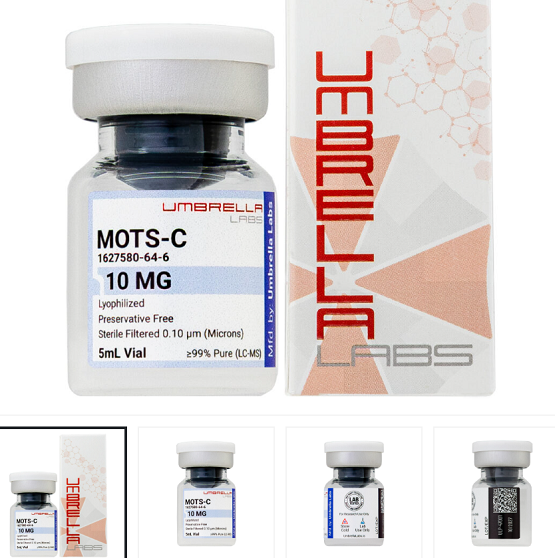
We email only people who opt in, and we sell strictly for laboratory research. The existing registry listing does not provide information on which cycle yields enduring benefits. This serves as a suggested rationale for the metabolic effects, rather than evidence that the same intervention is effective in treating diabetes in humans. The discovery of MOTS-c in 2015 supported the notion that mitochondria have functions beyond energy production. Its name derives from a mitochondrial open reading frame found in the 12S ribosomal RNA area. Each protocol referenced is treated as a distinct entry because variations in vial strength affect concentration and calculations for syringe units.